




When invasive species appear, ecosystems aren’t the only thing that suffers.
An invasive species is a non-native organism (plant, animal, etc) that is introduced to an environment where it does not naturally occur, and negatively impacts that environment through proliferating and out-competing native lifeforms.
One infamous plant, kudzu, is a prime example of an invasive species. Originally brough from Asia in the 1800’s for erosion control and other uses, kudzu is commonly referred to as the vine that ‘ate’ the southern United States by escaping cultivation and overwhelming native plant species. Today, large swaths of southern forests are carpeted with kudzu, reduced to a shadow of the diverse ecosystems that existed before the vines were introduced.
Another equally impactful invasive organism is lurking in North American rivers and lakes, with huge ramifications for industries that rely on those waterways.
Invasive Mussel Impacts
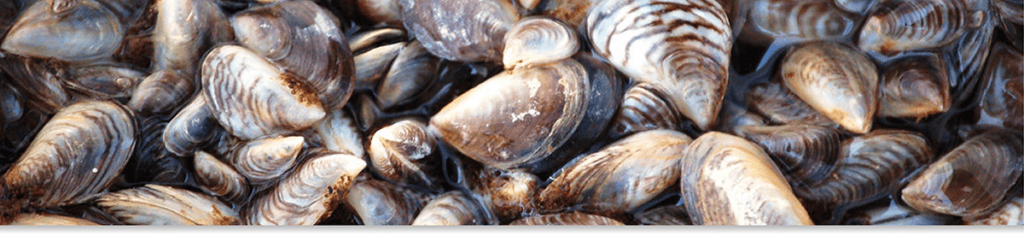
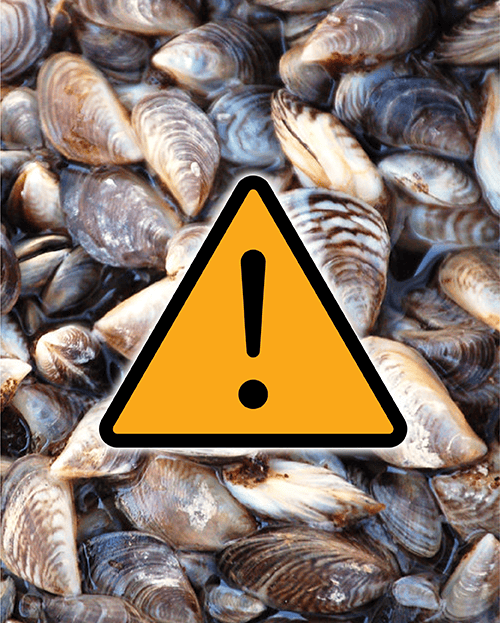
While mussels may seem small and inconsequential individually, they spread quickly and colonize waterways in large numbers.
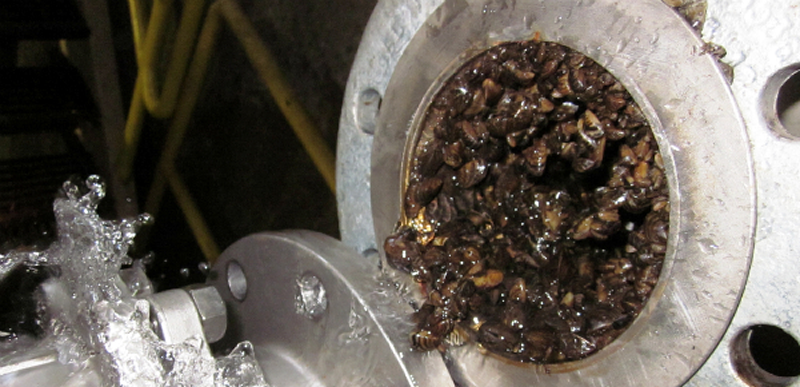
Not only are there huge ecological consequences when invasive mussels appear, but there are significant impacts to industrial operations that rely on mussel-infested water sources.

Ecological Impacts Include:

Industrial Impacts Include:
All across North America, freshwater ecosystems and industrial processes that rely on natural or surface water sources are under attack.
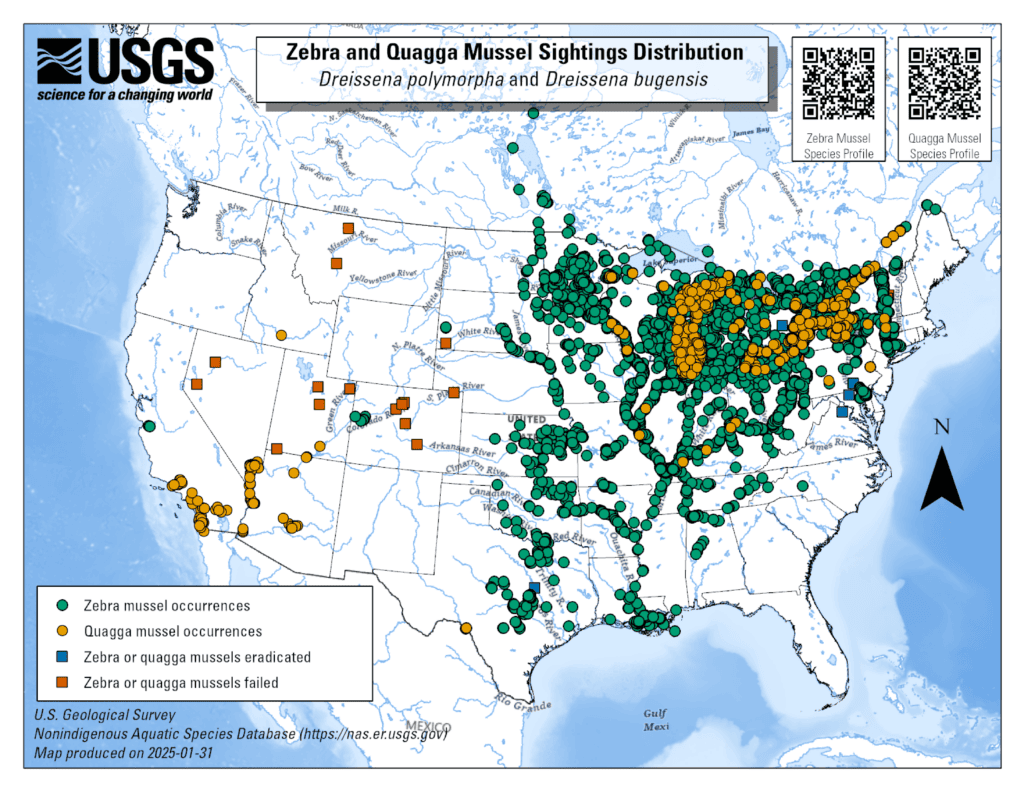
A Trans-Continental Problem
Two specific invasive mussel species—zebra mussels and quagga mussels—have become widely distributed in the Great Lakes and other critical waterways across North America. Once the mussels have infested an area, eradication is virtually impossible.
For operations that rely on infested waterways for process fluids, they are at direct risk of exposure to invasive mussels.
A New Threat: Golden Mussels
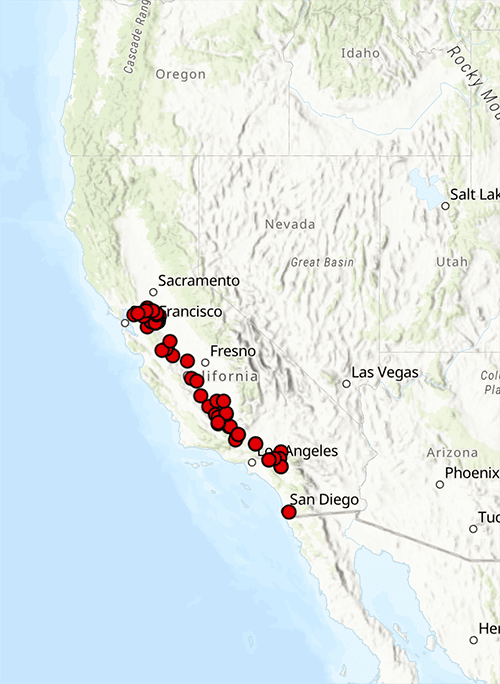
In 2024, a new species of invasive mussels was identified in Californian waterways. Native to Asia, the golden mussel (limnoperna fortunei) has begun proliferating quickly on the west coast.
Golden mussels have the potential to be even more damaging than the quagga and zebra mussels.
Because golden mussels can tolerate a wider range of salinity and water temperatures, it opens up new angles of attack on North American water systems.
Additionally, golden mussels seem to breed and spread more aggressively than the other invasive mussel species.
While California’s Department of Fish and Wildlife are carefully monitoring this new mussel threat and establishing guidelines to limit their spread, these mussels may soon pose a threat to operations beyond the state’s borders.
What can be done to prevent golden mussels and other invasive species from infiltrating and damaging critical water infrastructure?
The Cons of Conventional Mussel Control
As long as invasive mussels have been a problem, operations relying on water from lakes, rivers, and other natural sources have tried to combat them. However, the existing strategies for mussel control come with significant downsides:
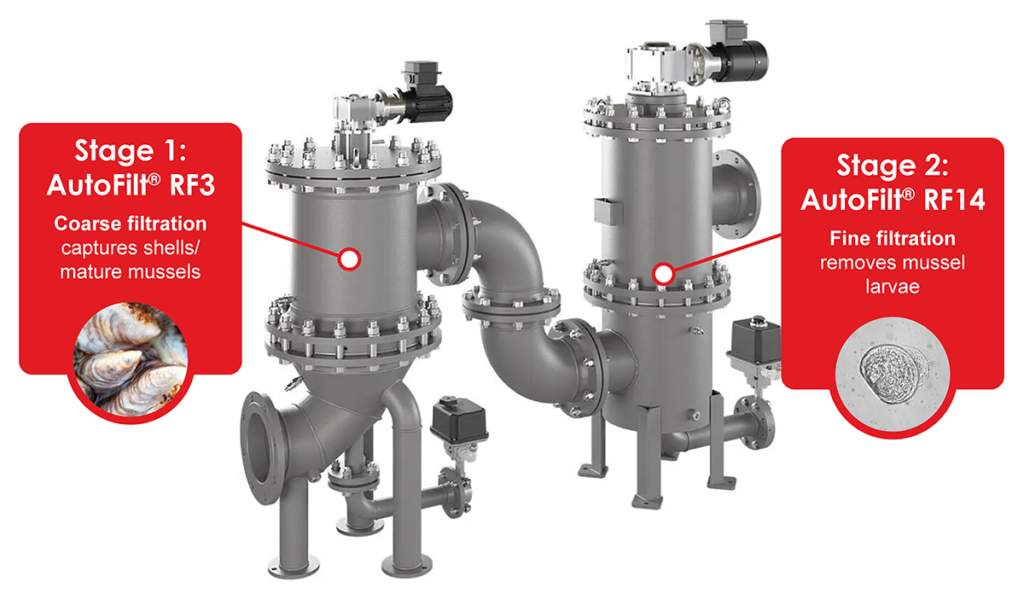
A Proven Solution: AutoFilt® Mussel-Catch
This dual-stage configuration combines two powerful AutoFilt® units that tackle invading mussels in every life stage:
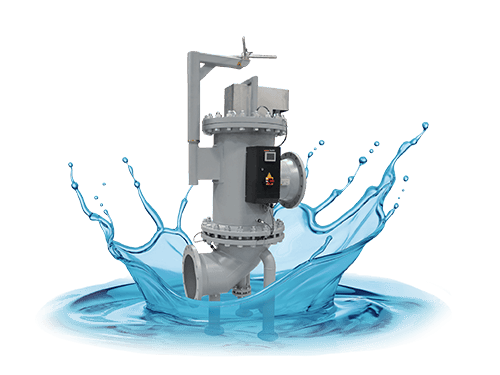
Mussel-Catch Stage 1:
AutoFilt® RF3
Highly Efficient Coarse Filtration
The RF3 effectively stops larger solids and shells in their tracks, keeping mature mussels from entering the system and colonizing the water infrastructure.
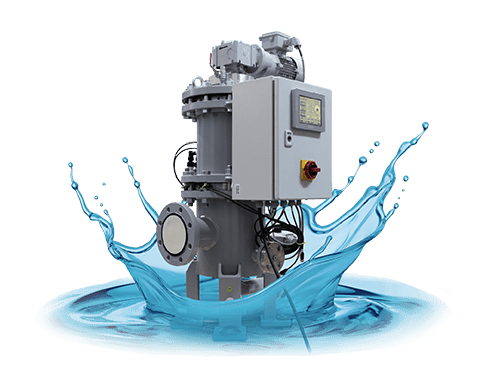
Mussel-Catch Stage 2:
AutoFilt® RF14
Precise Filtration for Fine, Soft Solids
Mussel larvae, which are often missed by conventional screen filters, are collected by the finer filtration capability of the RF14.