




Why Does Bulk Diesel Fuel Need Filtration?
Modern diesel engines require clean fuel to operate reliably and efficiently. That cleanliness starts with fuel storage.
Effective bulk diesel fuel filtration helps remove contamination before fuel reaches the equipment. Cleaner stored fuel can reduce unplanned downtime, lower repair costs, improve fuel-system reliability, and help engines maintain expected performance and emissions over time.
Schroeder Industries offers a comprehensive arsenal of bulk fuel filtration solutions to maintain fuel quality and protect downstream filtration and components including:
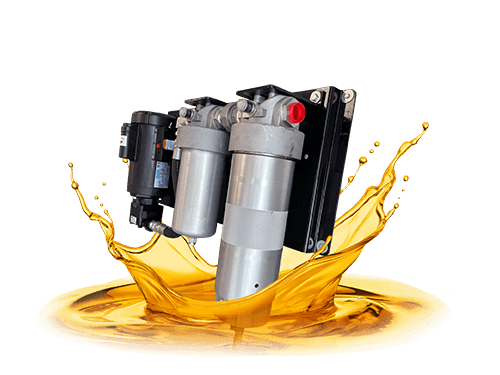
Bulk Diesel Filtration Panels
Filtration panels like Schroeder’s BDFP combine dual-stage particulate and coalescing filtration for optimal fuel conditioning for fuel transfer, polishing, and dispensing.

Mobile Fuel Filtration Carts
Schroeder Industries’ BDFC includes particulate and coalescing filtration on a mobile chassis for easy transfer between fuel storage systems.
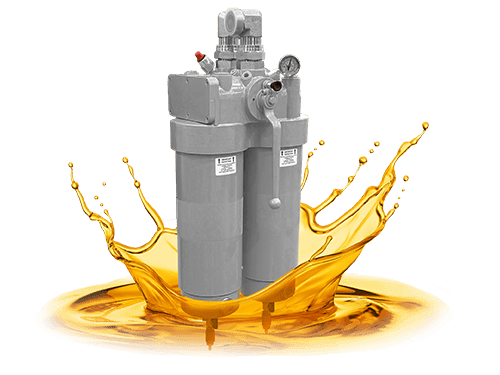
Coalescing Filtration
GeoSeal® High-Flow Coalescing Filtration (GHCF) provides superior water and particulate removal in a compact housing.
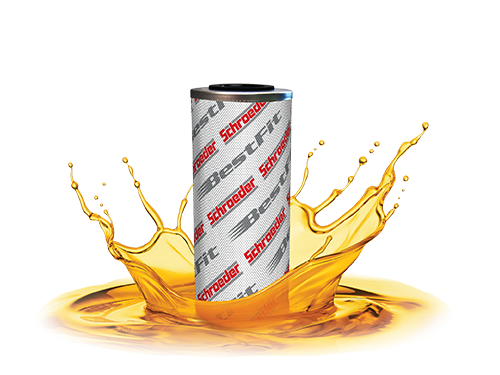
High Efficiency Fuel Filtration Elements
Schroeder Industries elements offer world-class efficiency with crossover equivalents for over 42,000 OEM-brand part numbers.
How clean should my stored diesel fuel be?
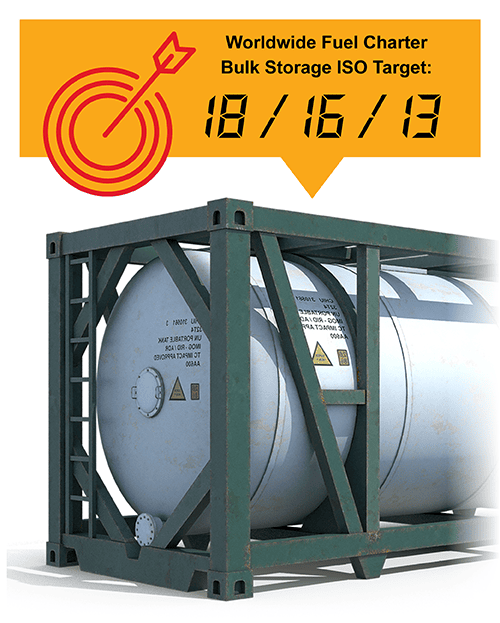
Guidelines for bulk diesel cleanliness are outlined in the Worldwide Fuel Charter.
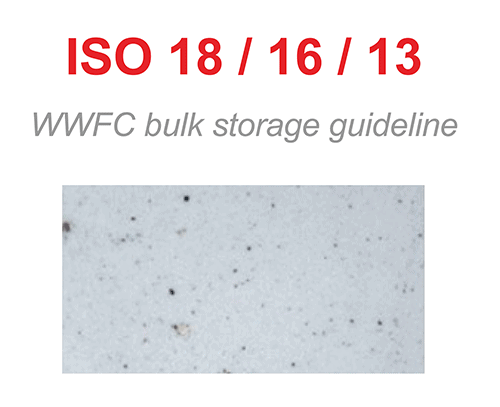
The Worldwide Fuel Charter (WWFC) is a series of guidelines developed by automotive and fuel manufacturers to create a global standard of fuel quality. Currently, the WWFC defines the ISO Target for bulk fuel cleanliness as 18/16/13.
Learn more about ISO Codes and ISO Targets.
Why is maintaining bulk diesel cleanliness important?
Modern high pressure common rail (HPCR) engines are powerful, but exceptionally vulnerable to contamination. Because injectors and other internal components are so sensitive to contamination, an extremely strict ISO Target of less than 12/9/6 is recommended to meet the normal operating life of components.
Diesel should be filtered at all stages, from storage to transfer as well as onboard. By ensuring a minimum cleanliness standard for bulk diesel, downstream filtration is less likely to be overwhelmed by high contamination loads.
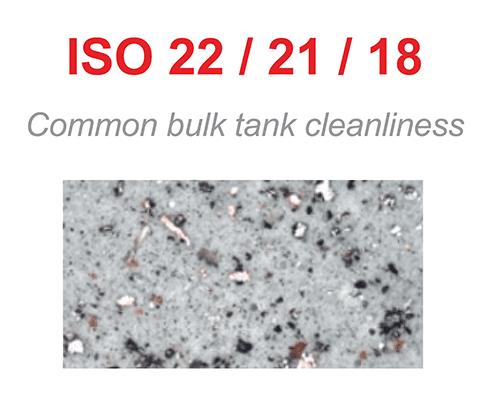
Below are microscopic comparisons of a common condition of bulk diesel tanks versus the WWFC target of ISO 18/16/13.
If you need to reach <12/9/6 to protect your injectors, which bulk fuel condition would you rather start with?
What are the signs of water contamination in my bulk diesel fuel?

How does bulk diesel fuel become contaminated?
Preventing contamination requires a multi-faceted approach:
Talk to Schroeder’s Bulk Diesel Filtration Experts!
Tell us about your fuel cleanliness goals, and our experienced product developers will help you find the right solution for your application:
Request for Quote