





Ballast Water Filtration: The Proven Way to Protect Vessels
Comments Off on Ballast Water Filtration: The Proven Way to Protect Vessels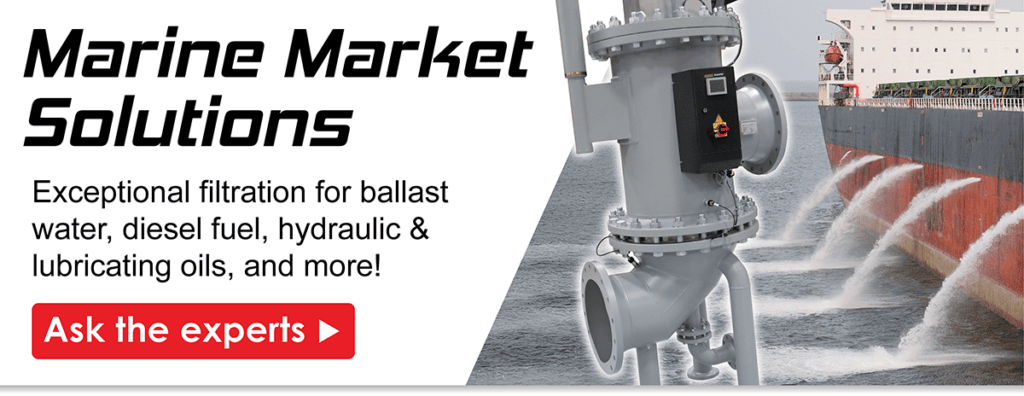
Filtration is Critical for Marine Applications
Contamination is a serious hazard for heavy industry, and that includes marine applications.
We have written extensively about the risks of contamination in the diesel fuel that powers many vessels, and these risks extend to other critical systems and operating fluids.
The nature of marine environments mean that water contamination is the primary risk to diesel fuel and hydraulic fluid on boats and ships. However, water itself is also a critical operating fluid for many vessels, especially large ships.
In this post, we’re focusing on the role of ballast water in ship operation, and the associated contamination risks.
Ballast Water Contamination
Ballast systems are crucial for the operation of large vessels.
To maintain stability and adjust draft (the height of a vessel in the water), large quantities of water are drawn in from around the ship into tanks within the hull to serve as ballast, and expelled as needed.
Ballast water levels are often increased and reduced multiple times during a voyage to accommodate for cargo movement and obstacles such as bridges. During severe weather, ballast is typically increased to lower a vessel’s center of gravity and reduce the surface area exposed to high winds and waves.
If ballast systems operate inefficiently or fail, consequences including capsizing or collision with structures may occur.
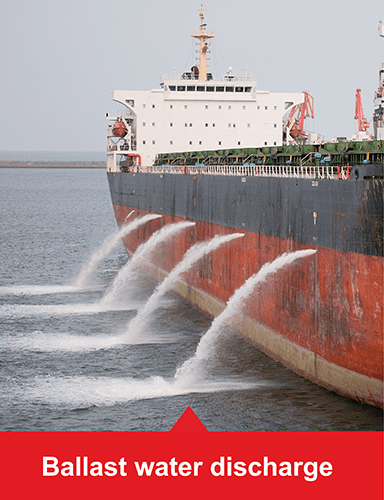
When contamination infiltrates a ballast system, the consequences are far-reaching:

Component Wear & Damage
Sand, silt, shells, and other solid particulates drawn in to the ballast tanks will damage pumps and other critical system components, forcing repairs or causing failures. Malfunction of the ballast system, which is key to vessel stability, is extremely hazardous.

Invasive Species Proliferation
When ballast water is drawn from the surrounding environment, living organisms can be pulled into the ballast tanks and later expelled in an entirely new location where they are not native. This has proven, devastating consequences for marine ecosystems.
Ballast contamination goes beyond just vessel safety and efficiency.
The contents of ballast water are subject to regulations set by entities like the International Maritime Organization (IMO), United States Coast Guard (USCG) to curb the spread of invasive organisms.
Failure to meet these standards can result in civil fines, criminal penalties, and even denial of entry to port.
Ballast water contamination is responsible for environmental disasters such as the quagga and zebra mussel infestations in the Great Lakes and other North American waterways. These invasive mussels have serious, negative impacts on freshwater ecosystems and industrial operations that rely on natural water sources.
Powerful Process Filtration Eliminates Ballast Contamination
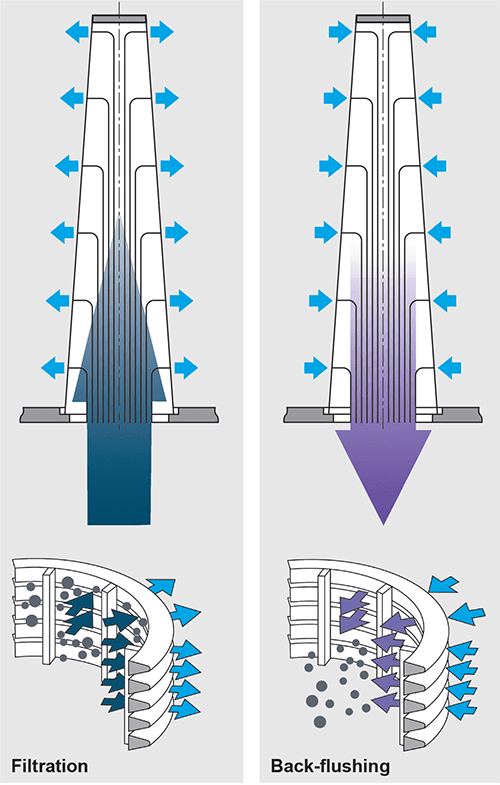
Automatic backwashing filtration excels at contamination removal.
To handle the huge quantities of water that pass through ballast systems, high-volume filtration is crucial.
The AutoFilt® series offers proven performance in the removal of solid contaminants while being maintenance-friendly and efficient.
The self-cleaning, automatic backflushing system in each AutoFilt® system clears the elements with virtually no interruption to filtration functionality. This automated cleaning function ensures reliability and reduces maintenance, allowing vessel operators to focus their energy on other critical tasks.
Additionally, when paired with disinfectants that target organisms in the ballast water stream, these filters allow operators to meet the IMO and USCG regulations that focus on invasive species containment. Peace of mind and protection from fines and operational delays contribute to smooth sailing!
Our experts in filtration systems can help you select and integrate the right solution for your application.
Meet two of their favorite picks for ballast water contamination control:
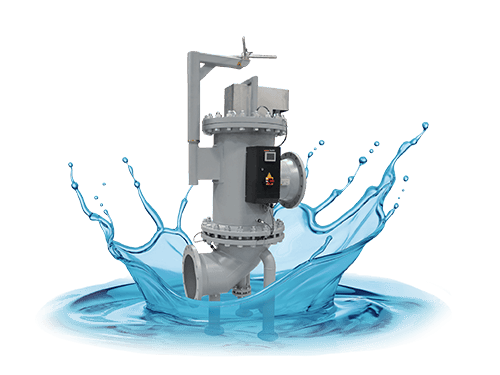
AutoFilt® RF3
395-1120 gpm (420-1800 L/min)
Automatic backflushing filter ideal for hard particulates like rust and sand. Use in conjunction with disinfection to meet IMO/USCG regulations for ballast water
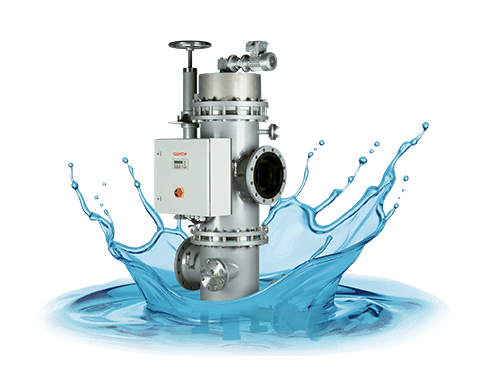
AutoFilt® RF10
2,210-12,940 gpm (580-3420 L/min)
Continuous filtration even during backflushing. Use in conjunction with disinfection to meet IMO/USCG regulations for ballast water.
Comprehensive Filtration Solutions for Marine Applications
Schroeder’s solutions go far beyond just ballast water filtration!
Here are just two of our other proven solutions for contamination control in marine applications:
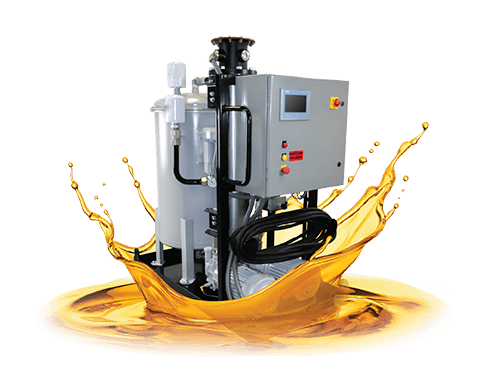
Hydraulic Fluid Dehydrators
TDSE, TDSA
Critical vessel systems like bow thrusters, hatch covers, and stabilizers rely on clean hydraulic fluids. In such a water-filled environment, powerful dehydrating filtration is essential for hydraulic system function and longevity!
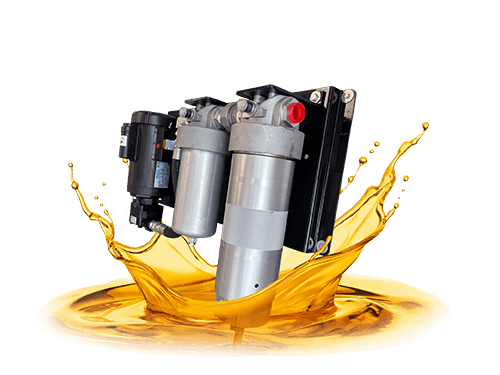
Bulk Diesel Filters
BDFP & More
Engine failure due to fuel contamination is one of the greatest risks in a marine environment! Solutions like Schroeder’s BDFP tackles the threat on two fronts, extracting solid particulates and eliminating water contamination.

Ask the Experts!
Our team is happy to assist with your filtration needs for ballast water and more. Tell us about your application, and we’ll tell you how we can help!