



Water Contamination Lowers Diesel Fuel Quality
Modern high-pressure common rail diesel engines require extremely clean fuel.
When contamination runs rampant, maintenance costs skyrocket, and equipment may fail at critical moments.
Water contamination in diesel fuel is a major driver of poor fuel quality. The diesel filtration experts Schroeder Industries have engineered effective solutions to meet the increasing cleanliness requirements of modern engine technology.
What are the signs of water contamination in bulk diesel fuel?
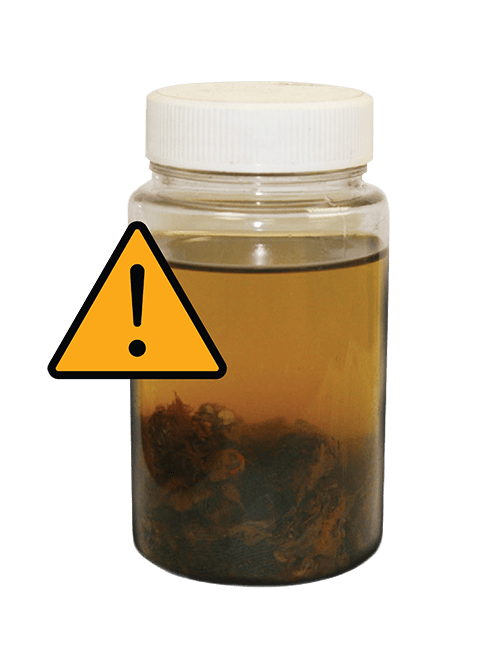
Cloudy samples are often an indicator of water contamination in diesel fuel. Suspended water droplets can give the sample a cloudy appearance, and may be a sign of something even worse:
When a layer of free water forms in a diesel storage tank, microbial growth commonly known as ‘diesel bug’ can occur.
In a diesel bug infestation, microbes that enter the tank colonize the border between the free water and the fuel. By consuming hydrocarbons in the fuel, the microbes rapidly grow and multiply.
These organisms and the waste they generate become solid contaminants which can overwhelm filters and damage sensitive fuel systems. Additionally, the microbes produce organic acids that corrode tank walls and downstream components.
Heavy infestations of diesel bug may require extensive tank cleaning and costly biocide treatments if not prevented or caught early.
The best way to prevent diesel bug is to curb the water contamination that the microbes rely on.
How do I remove water from bulk diesel fuel?
Coalescing diesel filtration effectively extracts water from diesel fuel. Schroeder Industries is a leading provider of coalescing diesel filtration, helping customers maintain fuel quality across the globe:
GeoSeal® High-Flow Coalescing Filtration
Evolving engine technology requires innovative solutions. Schroeder Industries’ landmark GeoSeal® High-Flow Coalescing Filtration provides exceptional coalescing filtration during fuel transfer and delivery, polishing, and dispensing.
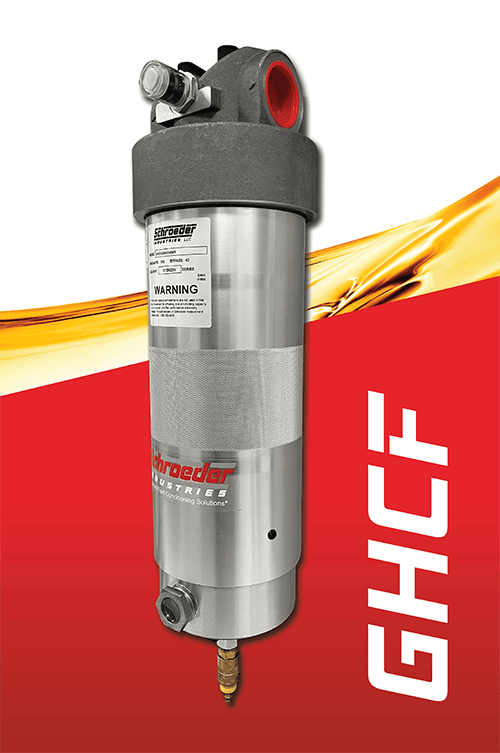
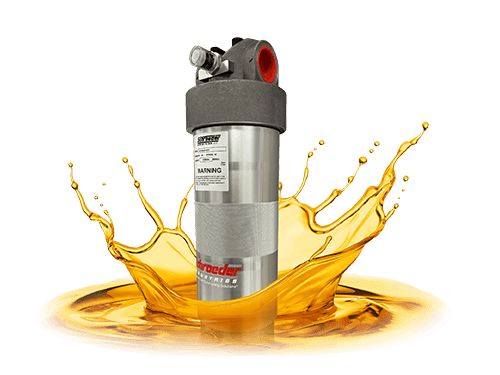
GHCF – Single Housing
25 gpm (95 L/min)
The original compact, powerful, coalescing diesel filter with additional particulate removal capabilities for bulk fuel and onboard applications.
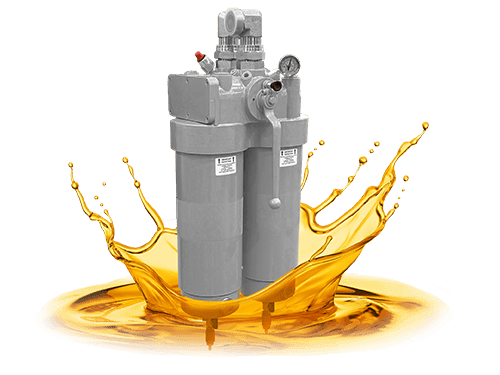
GHCFD – Duplex Housing
Up to 50 gpm (189 L/min)
Double housings provide 2x coalescing and continuous operation during maintenance for bulk fuel and high-horsepower applications.
GeoSeal® High-Flow Coalescing Filtration Specifications:
Combination Bulk Fuel Filtration Solutions
Schroeder Industries also offers combined filtration solutions that address both water and particulate contamination, combining GHCF coalescing filtration with GHPF particulate filtration:
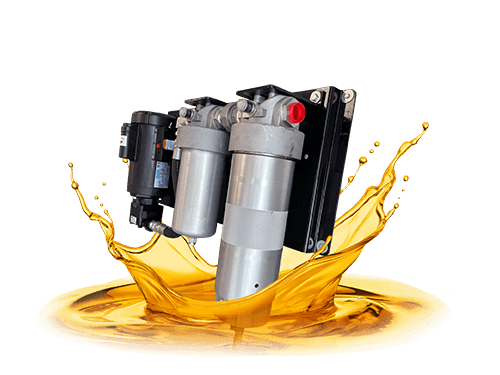
BDFP – Bulk Diesel Filtration Panel
14 or 25 gpm (53 or 95 L/min)
Turnkey filtration for new and existing fuel storage systems! Combines powerful particulate and coalescing filtration with integrated motor/pump unit.

BDFC – Bulk Diesel Filtration Cart
14 gpm (53 L/min)
Exceptional, dual stage coalescing and particulate filtration combined with an agile mobile chassis for fuel filtration wherever it is needed.
How do I prevent water contamination in fuel tanks?
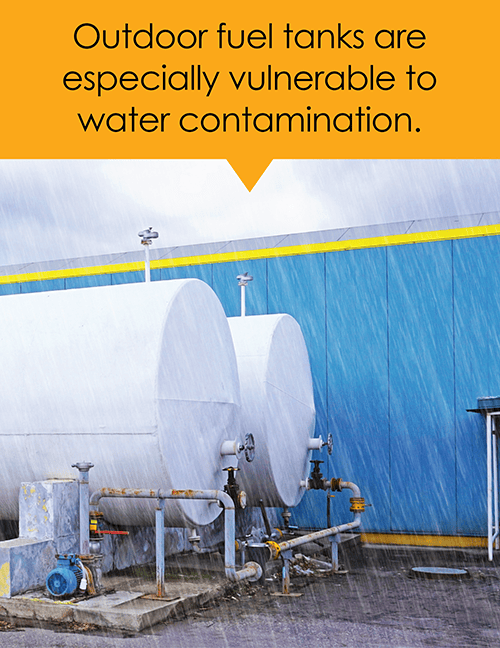
Water contamination diesel fuel is challenging to prevent, especially in outdoor storage systems. However, there are some best practices which can limit the amount of water entering your bulk stored fuel:
Talk to the Diesel Filtration Experts!
Tell us about your fuel cleanliness goals, and our experienced product developers will help you find the right solution for your application: