

Skip to Content
Exit
 

Tag Archive: fuel filtration

  1. Beyond Diesel: Fuel Filtration’s Bold New Era

    Comments Off on Beyond Diesel: Fuel Filtration’s Bold New Era

    Text in image reads: "Diesel and Beyond: The Future of Fuel Filtration" with an image of a diesel engine

    This article is based on a webinar conducted by Aaron Keck, a product manager in Schroeder Industries’ Fuel Filtration group. This insightful presentation is informed by Aaron’s 13 years of experience in the Diesel Power and Fluid Power Industries.

    Click here to view the webinar!


    Growing global energy demands are ‘fueling’ technological advancements in engines and driving the adoption of alternative energy sources. The ripple effect of this evolution has major implications for the filtration industry.

    Given the speed of advancement and diversification of fuel sources, and the increasing desire for environmentally responsible energy consumption, what do the futures of diesel and fuel filtration look like?

    Despite the growth of alternative fuel technology, all signs point to a continual refinement of diesel technology in tandem with developments in CNG, hydrogen, and electric power. The diversity of technology and fuel sources provide many avenues for new innovations.

    1. The Diesel Engine is Here to Stay
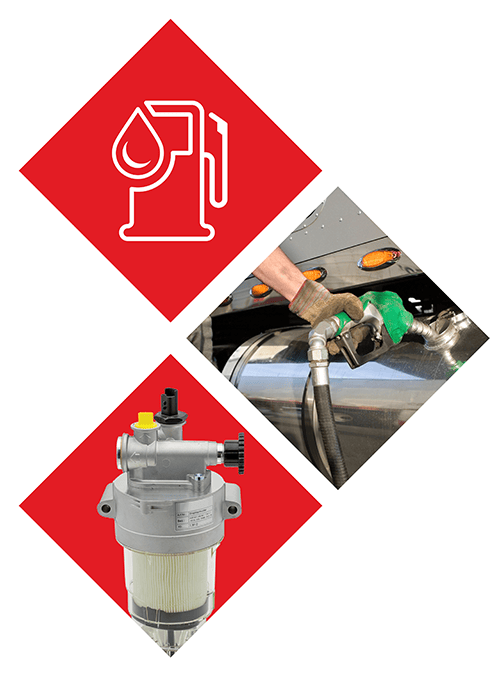
    Three diamond shapes including a diesel gas pump icon, a hand pumping diesel gas into a metal tank, and an HDP240 onboard diesel fuel filter

    Electric engine technology has advanced by leaps and bounds, but industry sources indicate that all electric vehicles are still far off in many applications, from military to commercial.

    According to a study conducted by the National Academies of Sciences, Engineering and Medicine examining military applications for electric vehicles, “…all-electric vehicles are not yet practical — at least through 2035.” Jeremy Harsin, the Global Construction Market Director for Cummins Inc., predicts that “In the off-highway space, diesel still has a long runway.”

    A variety of factors contributes to the practicality of diesel engines over electric engines in the near term for various applications, including:

    1. Limited electric infrastructure.
      Reliable electric power requires an expansive, efficient power grid. Especially for remote applications such as mining, the infrastructure to sustain such operations does not currently exist.
    2. Lower energy density of current battery technology.
      Pound for pound, current battery technology can’t match the energy density of diesel fuel, which is critical for consistent, reliable, long duty cycles.
    3. Reliability concerns.
      There’s a reason diesel is often a primary backup source for critical operations, processes, and services: Diesel’s proven reliability. In renewable, hybrid power generation systems, diesel is frequently integrated to make up for production shortfalls and periods of high demand.

    A long runway for advancement in diesel technology still exists, even as electric and alternative energy technology adoption grows.

    As liquid diesel engines evolve, filtration technology must adapt to enable efficient, clean operation. Major considerations include:
    Diesel gas pump icon
    1. The sensitivity of new fuel system designs.
      Protecting system components from contamination is increasingly vital as components become more sensitive and precise. Eliminating as much contamination as possible is necessary for increasing component life, maintaining efficiency, and reducing emissions.
    2. Changing fuel chemistry.
      The adoption of biodiesel, diesel blends, and other sustainable fuel sources demands additional considerations in filter material selection. Choosing appropriate metals, coatings, and elastomers ensures that filtration components will not react adversely to changes in fuel chemistry. Rapid prototyping and modular testing are essential for keeping pace with chemical changes.
    3. Maintaining system efficiency to reduce emissions.
      Legislation and broader concerns regarding emissions and carbon footprints calls for filtration solutions that maximize system efficiency, increases energy efficiency, and reduce emissions.


    2. Alternative Fuel Demand Will Grow

    In the October 2022 Outlook for Energy Report from Exxon Mobil, there was an emphasis on the long-term reduced reliance on oil and shifting demand towards a variety of alternative fuel sources. 

    There are three key drivers of this trend:


    1. Technology.
      As alternative fuel technology becomes more viable, affordable, and widespread, adoption increases.
    2. Policy.
      Legislation and environmental agreements on the global and national level, such as the 2015 Paris Agreement and the 2022 U.S. Inflation Reduction Act, provide incentives and regulations that drive alternative energy adoption and control emissions.
    3. Consumer Preference.
      Consumers are increasingly interested in alternative energy sources in their transportation and utilities. A Consumer Report survey conducted in 2018 found that 76% of U.S. residents agree that increasing renewable energy is a worthwhile goal. With technological innovation and government incentives increasing alternative energy accessibility, consumers may be more encouraged to support entities utilizing alternative energy sources or consider adopting alternative energy in their own lives.

    While oil will remain a large source of global energy over the next 30 years, the growing shift to alternative fuel sources will drive new technology and demand new tailored filtration solutions.


    3. Spotlight on Compressed Natural Gas
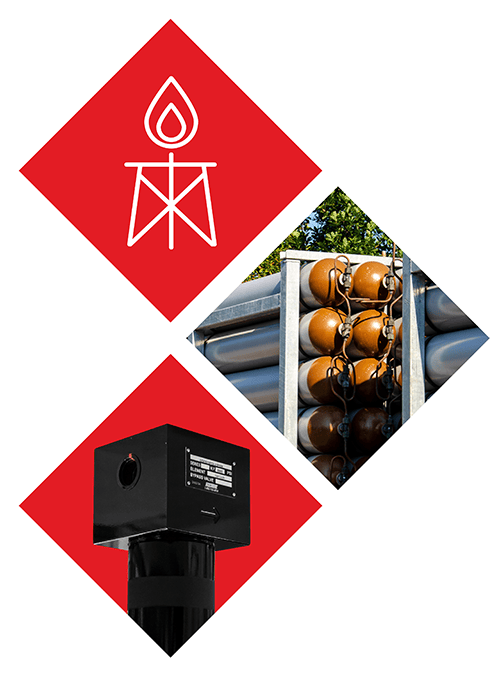
    Three diamond shapes which include a CNG flare icon, a row of CNG tanks, and the CGF50 compressed natural gas filter

    Compressed natural gas, or CNG, is one of the mostly widely used alternative fuel sources for lower emissions and requires specialized filtration solutions. Three major, interconnected applications for CNG filtration come with their own considerations:

    1. CNG Dispensing.
      Commercial last-mile delivery and hub-and-spoke distribution models, which increasingly run on CNG for carbon footprint reduction, are driving an increase in CNG fueling stations.

      Filtration solutions for this expanding infrastructure must maintain a low pressure drop while ensuring optimal filtration to provide consistently clean fuel to these fleets in a timely manner.
    2. Virtual Pipelines.
      For plants and operations far from existing natural gas pipelines, compressors are used to load CNG onto trailers, which are taken to remote industrial sites. This system is referred to as a ‘virtual pipeline.’

      Reducing pressure drop is vital for reducing the energy consumption of these compressors and extending service intervals. Utilizing the latest gas filtration media in a layered, pleated construction, lower pressure drop and higher efficiency can be achieved versus traditional filtration setups typical to these applications.
    3. Oil & Gas.
      Dual-fuel technology, in which an engine is designed to operate on diesel and CNG, is regaining traction in the oil & gas industry and continues to evolve.

      The intensity of oil & gas work environments calls for especially robust filtration solutions which maintain a low pressure drop and are small enough to maximize available space and accommodate two fuel systems. In many cases, appropriate surface treatments and the use of stainless-steel materials where possible are also required to prevent degradation in potentially corrosive environments.


    4. Hydrogen Filtration and Transitional Technology Between Liquid Fuel and Electric-Powered Engines
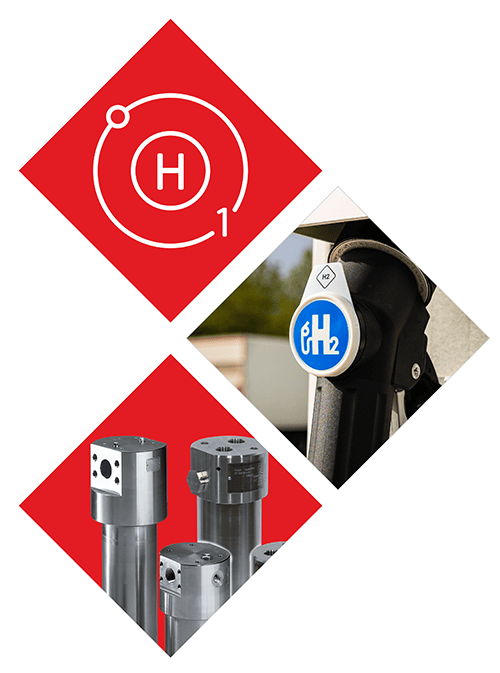
    Three diamond shapes containing an icon of a hydrogen molecule, a closeup of a hydrogen pump, and a selection of hydrogen gas filters

    In the quest for electrification, hydrogen power is a critical stepping stone. Emitting only water vapor and small amounts of nitrous oxide, hydrogen power is a benchmark for eco-friendly alternative fuels.

    In the spring of 2023, Cummins Inc. rocked the industry with the reveal of a fuel-agnostic 15L engine capable of running on hydrogen. This development illustrates that fuel-diversity is an attainable first step in transitioning away from liquid fueled engines and moving us closer to the infrastructure needed to support more alternative energy sources like hydrogen.

    As with any fuel, filtration plays a key role in the performance of hydrogen-powered equipment and fuel cells at every stage:

    1. Manufacturing.
      Filtration plays a key role in the manufacturing process, as component cleanliness of fuel cells and battery technology, to compressed gas storage tanks require extremely clean environments to ensure safe and reliable operation in the field.
    2. Generation.
      From the electrolysis process needed to produce the hydrogen, to the compression and storage of the hydrogen, the same requirements of removing contaminants during the handling and storage of the fuel parallel that of compressed gas. 
    3. Refueling.
      Refueling points also require a level of filtration to ensure that the hydrogen introduced into a fuel cell maintains a high purity. 
    4. Charging.
      The stationary equipment used to charge battery electric equipment, or the fuel cell electric equipment use some level of filtration for both the air used in the fuel cell, as well as the hydrogen fuel being consumed.

    Developing hydrogen filtration solutions requires special considerations:

    Hydrogen molecule icon
    1. Hydrogen embrittlement.
      Solid metals will deteriorate in the presence of hydrogen, so material selection is extremely important for extending the integrity of filters and elements.
    2. Hydrogen molecule size.
      Hydrogen is an exceptionally small molecule compared to other filtered fuels. To secure the system and prevent leaks, seal designs need to be carefully selected and appropriate elastomers used to ensure a consistent, leak-free, and serviceable sealing surface. 
    3. Appropriate filter elements.
      Traditional filter medias used for other liquids and gasses will not withstand the design requirements of hydrogen compression, transfer, storage, or dispensing. Stainless steel is a common choice for hydrogen elements to avoid electrostatic discharge. To prevent fiber migration into highly sensitive, high-pressure hydrogen system components, compressed metal fibers are a common choice for filter media.

    Hydrogen presents an exciting, yet challenging avenue for expansion in the filtration industry where we will continue to push the limits of filtration and material science.


    In Conclusion: No Linear Path for Fuel Filtration
    Four diamond shapes containing: an energy icon, a diesel gas pump icon, a hydrogen molecule icon, and a CNG flare icon

    The future of fuels and fuel filtration will not be defined by a clear linear advancement towards renewable fuel sources.

    Just as physical currency still exists alongside electronic payments and banking, our energy needs will continue to be satisfied by a range of fuel sources, including diesel and alternative fuels. Advancements in diesel and liquid fuel technologies must continue alongside alternative fuel developments.

    Schroeder Industries: Your Source for Advanced Fuel Filtration

    Schroeder Industries continues our 75+ year tradition of evolution and innovation, monitoring industry trends and developing advanced filtration solutions for virtually every application. Our solutions are engineered with consideration for ongoing technological advancements and changes in the diesel and alternative fuel landscape.


    Looking for premium fuel filtration solutions for your diesel, hydrogen, or CNG application? Let the experts at Schroeder help you!

    Contact-Blog-Diesel and Beyond: The Future of Fuel Filtration

    • Max. file size: 256 MB.
  2. Transform Your Roll Off with Superior Cleanliness Testing

    Comments Off on Transform Your Roll Off with Superior Cleanliness Testing

    What is component cleanliness testing?

    Component cleanliness testing offers OEMs the ability to see the cleanliness of the components they are using to build a system. For vendors, it allows them to measure the cleanliness of a component that they manufacture and sell to an equipment manufacturer.


    Why is component cleanliness testing important?

    Roll off cleanliness for OEMs is increasingly vital as they strive to put out quality product from the assembly line. It’s not enough anymore to simply provide a machine with clean fluid: The cleanliness of the components used to build the machine is playing a large role in overall system performance!

    Even suppliers with good cleanliness practices may end up with particulate contamination as items are shipped, handled, and stored. Any amount of contamination on the hydraulic system parts can affect machine performance—even for brand-new machines.

    Cleanliness provides the following benefits:

    • Improved quality of produced components
    • Reduction of rework and warranty claims
    • Improved customer satisfaction
    • Reduction in overall production costs
    • Improved operating safety

    Interested in component cleanliness testing, but unsure where to begin? Our cleanliness experts can help!


    How can I measure component cleanliness?

    Schroeder Industries, an expert in contamination control, offers several solutions for monitoring and maintaining component cleanliness.

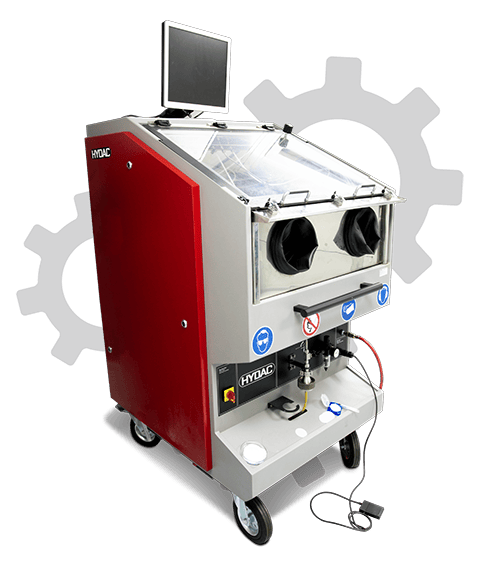
    Our CTU and CTM Modular Series of Component Cleanliness Testing Cabinets were designed to determine the technical cleanliness especially present on minor contaminated components. These Test Cabinets were developed due to increased demand for system cleanliness and for monitoring and optimizing the cleanliness of smaller components during production, storage and system assembly. 

    By determining the type, size and quantity of the contamination, quality standards can be checked and documented and the necessary steps towards optimization can be taken.

    Benefits to You:

    • Cost reduction through lower production failure rates
    • Identification and elimination of weak process steps
    • Optimization of both internal and external handling processes
    • Establishing of cleanliness standards both internal and external
    • Documentation of component cleanliness
    • Survey of fluid cleanliness and filtration concepts

    Learn more about our Component Cleanliness Testing Cabinets:


    This self-contained unit is ideal for space-conscious customers testing smaller machine components.

    The Cleanliness Test Unit (CTU 1000) determines the type, size and quantity of the contamination. Quality standards can be checked and documented and the necessary steps towards optimization can be taken.


    The Contamination Test Module CTM is a modular system designed to analyze the technical cleanliness of components. Solid contamination is washed off the surface of the component, samples are taken from the fluid and are subsequently analyzed using membranes.

    For customers needing a more flexible approach, the CTM Modular Series offers extraction box customization for larger size components.

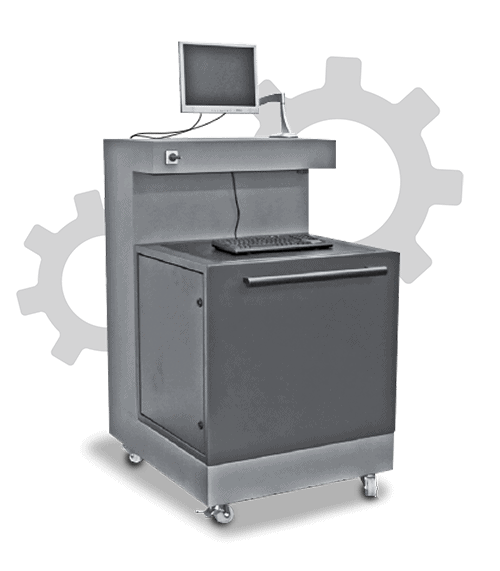
    CTM-SC

    The Contamination Test Module CTM-SC is the central module of the CTM series. It serves as the fluid supply, controls the entire extraction process, and contains the graphical user interface.

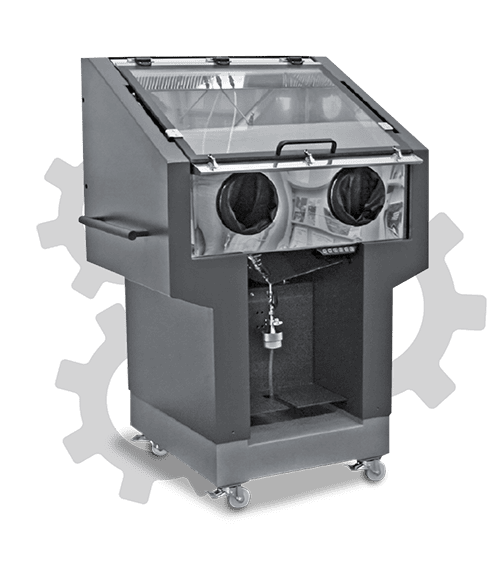
    CTM-EB

    The extraction module CTM-EB is designed for spray extraction in conjunction with the CTM-SC. The extraction boxes can be modified based on the size of the components being tested.


    Budget limitations? We offer cleanliness testing services!

    If a Test Cabinet unit is outside of your budget, Schroeder Industries offers testing services in our on-site Fluid Care Center.

    In a clean environment, our technicians will conduct expert testing on your machine components, establishing the foundation for your cleanliness plan.

    Benefits of this Turnkey Service:

    • Testing conducted by trained experts for the most accurate results
    • Certified Class 7 clean room eliminates chances of inaccurate results due to additional environmental contamination
    • Expert analysis of the type, size and quantity of contamination enables quality standards to be verified and documented, allowing appropriate cleanliness measures to be established
    • Quoted service based on component type and cleanliness requirements, providing you expert results without the full expense of a Test Cabinet
    • Accurate testing is the foundation of a cleanliness plan that enables reduced failure rates, higher customer satisfaction, and more!

    Schroeder Industries can help with your component cleanliness testing needs!

    If you would like to have us quote Component Cleanliness Testing of your parts, please contact us using the form below. We will review the components to be tested and method to determine the desired gravimetric or ISO code required.

    • Max. file size: 256 MB.
  3. Achieve Better Machine Performance Through Fuel Filtration

    Comments Off on Achieve Better Machine Performance Through Fuel Filtration
    Graphic with link to the fuel filtration catalog

    A Look into the World of Fuel Filtration

    View Schroeder Industries’ complete listing of Fuel Filtration products

    Schroeder Industries’ wide offering of fuel filtration solutions represents the cutting edge in innovative and advanced fuel filtration technology.

    Our range of products are designed specifically for fuel filtration applications. This includes bulk storage, mobile equipment prefiltration, alternative fuels, and fuel contamination monitoring. All are engineered to address the problems with modern fuels in a compact, reliable, and cost-effective way.

    At Schroeder Industries, we apply innovative technology to meet the global needs of fuel cleanliness. We work to provide a wide selection of light weight, and compact solutions.

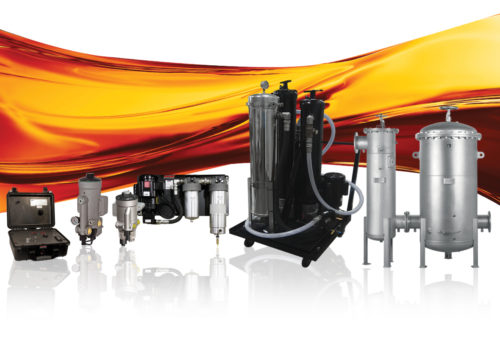
    Showcasing Schroeder Industries' Fuel Filtration Product Suite. Includes tools for diagnostics, on-board diesel filtration and bulk diesel solutions.

    Our product range includes fuel filters, filtration systems, and condition monitoring equipment for all-around diesel protection. Schroeder Industries has our customers covered from production to consumption.

    Fuel cleanliness is a main factor in making sure diesel-powered machinery and diesel engines are operating at their highest performance.

    To put it simply, the most important thing we can do, is make sure your fuel is free of any contaminants. This can include water, particulates, fungi, etc. Our products are designed to remove these contaminants.

    Contamination can cause microbial growth, which can cause destruction in your fuel systems. This can lead to field failure and can allow bacteria to spread in your system.

    Fortunately, with Schroeder Industries, our filters can get these destructive contaminants out of your fuel. Bringing them up to exceptional cleanliness levels.

    With our fuel diagnostic technology, you can take a preventative approach and know when exactly your fuel may need extra support.


    BDC bulk diesel cart for fuel filtration with fuel tanks in the background

    Our Fuel Filtration Technology and the Environment

    We recognize the world is seeking more environmentally sound ways of creating equipment that uses more efficient technologies and systems.

    Vector icon of diesel fuel pump with green leaves

    We are always looking for ways to keep this global movement in the focus of our development. This includes making strides in creating more energy efficient fuel filtration technology.

    Many of the global equipment manufacturers are making advancements in the electrification of mechanical or hydraulic systems and equipment.  This doesn’t get rid of the need for diesel fuel or alternative fuels, but underscores the importance of better fuel filtration.

    Modern fuels are made to adhere to the standards addressing emissions, equipment reliability, safety, and storage. Therefore, our fuel filtration technology follows the same standards. It is of high importance for us to know the problems faced as fuels continue to change.

    Engines are becoming smaller to make room for the electrical components, wiring, and storage. It is crucial to provide the highest performance filtration in a compact and lightweight package.

    However, this does not eliminate the need for bulk diesel, or alternative fuel. This makes the need for your pristine fuel quality even more essential.

    Schroeder Industries also understands the importance of being environmentally friendly.

    We use advanced technologies to minimize the energy needed to clean and condition fuel. This encourages the reclamation of fuels that would normally be disposed of. Doing this can result in reduced waste and an overall reduction in emissions, helping to accomplish a cleaner world.


    ISO Certification

    Schroeder is a proud member (in good standing) with the Petroleum Equipment Institute (PEI)

    Schroeder Industries is ISO 9001 certified and members in good standing with PEI. Both organizations help fulfill our dedication to making sure all of our customer’s fuel quality is outstanding. Our team stays up to date on the guidelines from the International Organization for Standardization (ISO) 4406 and industry trends from PEI.


    Watch on YouTube “Fuel Filtration” Playlist.


    View Schroeder Industries’ complete listing of Fuel Filtration products