Skip to Content
Exit
 

Tag Archive: Fluid Cleanliness

  1. Can Better Water Control Protect Your Hydraulic Oil?

    Comments Off on Can Better Water Control Protect Your Hydraulic Oil?
    Water contamination can sink your productivity and drown your budget.


    Solid contamination is the most common type of contaminant, but water contamination can be just as damaging.


    Water contamination in hydraulic oil occurs when dissolved, emulsified, or free water enters the fluid and reduces lubrication, promotes corrosion, and accelerates component wear.

    The risk is constant in applications that utilize large quantities of water or are exposed to weather and ambient humidity.

    Uncontrolled water contamination damages equipment and productivity for any hydraulic system operating in such environments:
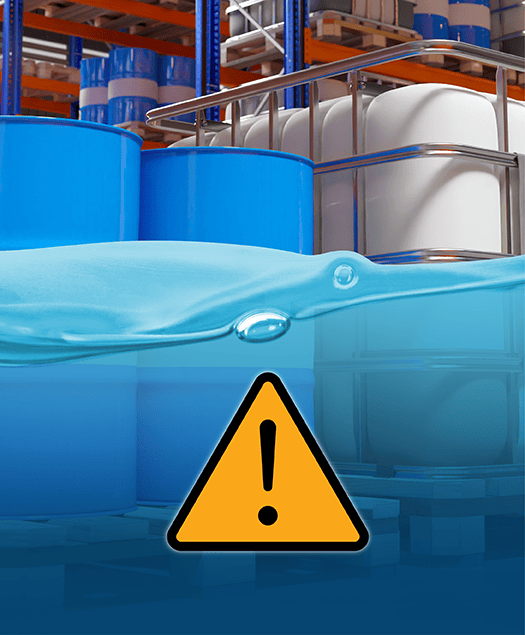

    • Water contamination lowers oil lubricity, which accelerates component wear.
    • Rusting, corrosion, and oxidation can occur as water interacts with internal system components.
    • Physical damage such as macro-pitting (spalling) and micro-pitting can occur in cylinders, gears, and other parts.
    • Ultimately, total machine failures may occur, forcing operations to halt.
    • Paying to replace oil or hiring a third party oil reclamation service can seriously undermine your profits—not to mention the cost of equipment repairs and lost productivity

    Water contamination comes in three forms, with different levels of severity for your equipment:
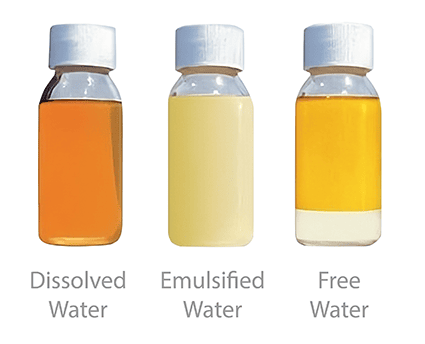

    • Free Water: The worst kind of water contamination. Free water is a separate, visible layer of water that forms when hydraulic oil exceeds 100% saturation.
    • Emulsified Water: As saturation approaches 100%, small water droplets are visibly suspended in the fluid, giving it a cloudy appearance. While not as inherently damaging as free water, emulsified water is a clear warning sign of contamination approaching a critical level.
    • Dissolved Water: Considered the least harmful state of water contamination. However, extreme temperature changes can cause dissolved water to separate and become free water.

    Changes in temperature can cause water to change form in your system, moving between these three states.


    Regardless of how the water in your oil is behaving at one moment, it can go from relatively harmless to increasingly damaging when temperatures start to shift! This means that controlling all water contamination at all times is vital.


    Is my operation vulnerable to water contamination?


    Virtually any industry can experience some level of water contamination. However, some industries stand out as particularly vulnerable:
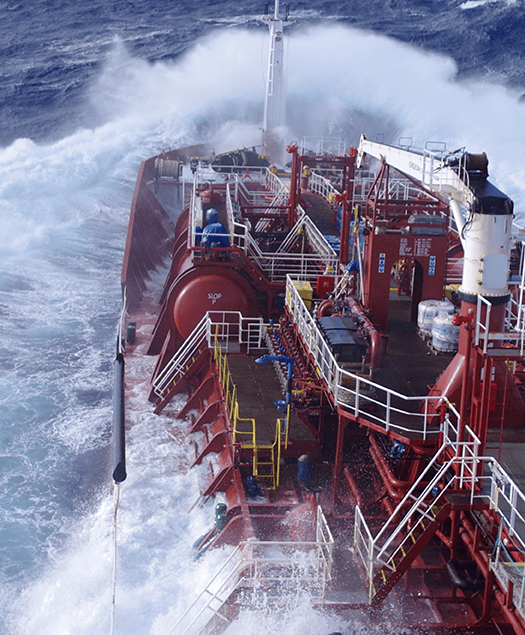

    • Marine: The risk of water contamination when operating on rivers, lakes, and oceans goes without saying! Additionally, swings in temperature in these outdoor environments can cause free water to form, flooding the system with the most damaging state of water.
    • Pulp & Paper: High volumes of water are required in pulp processing and paper production. In these applications, water contamination is a common pain point.
    • Steel: High heat applications mixed with high-pressure cleaning spray-downs creates intense humidity. Temperature changes in steel plants can easily trigger condensation of water into the hydraulic reservoirs.

    Water contamination can infiltrate reservoirs and equipment in multiple ways.

    Damaged seals, a rainy and humid climate, high-pressure water streams used in the cleaning process, and poor bulk oil storage are some common vectors for water contamination. Because water contamination can come from so many places, creating a plan to combat it can be challenging.


    How can I prevent water contamination in my hydraulic oil?

    If you suspect water contamination, it’s important to test your oil. When you know the saturation levels you’re dealing with, it’s easier to develop a strategy for water removal.

    Saturation sensors are a great way to detect water contamination in real time. Lab testing is even better, since more sophisticated testing methods can expose other contamination-related problems in your fluid.

    Knowledge is power! Finding out where the water contamination is originating from can help prevent it.

    Water may be entering via worn seals, loose reservoir caps, poor bulk storage practices, and other variables you can control.

    However, many operations may face ambient humidity, big temperature swings, and the unavoidable need for water in their manufacturing process. When a potential source of water contamination can’t be controlled, the best defense is to continuously extract the contamination from your hydraulic oil.

    Once you’ve determined how much water you’re dealing with, and where it might be coming from, the next step is filtration. Depending on the amount and frequency of water contamination, there are various tools at your disposal.

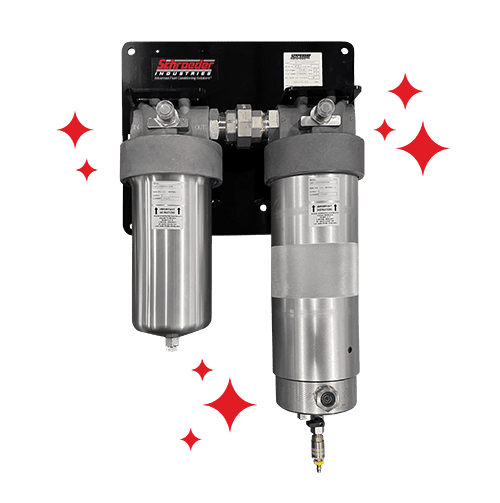
    Specialized water-removal filter media can absorb smaller quantities of water. Multi-stage filtration housings can allow you to implement different media types to target both water and solid particulate contamination at once.

    Large reservoirs and high contamination levels require more specialized equipment. Dehydrating filtration systems are designed to extract free water, as well as a large portion of dissolved water from the fluid.


    Even with filtration in place, it’s important to implement a strategy for monitoring saturation levels in your oil at all times. Saturation sensors are useful for determining if your dehydrating filtration solution is performing adequately. These sensors can also warn of sudden influxes of water contamination, allowing remedial measures before contamination-driven damage can run rampant.

    Many modern saturation sensors include digital connectivity for remote monitoring and reporting, which keeps you informed of your fluid condition in real time, wherever you are.


    Schroeder Solutions & Success Stories


    Schroeder Industries offers a variety of tools and solutions for water removal.


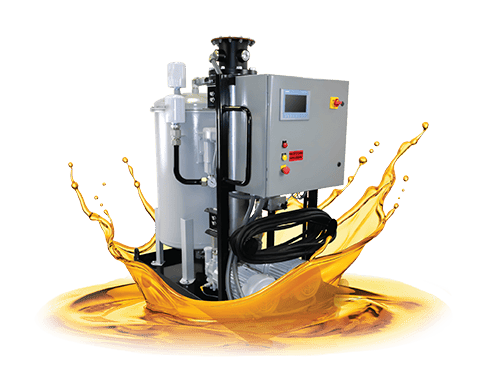
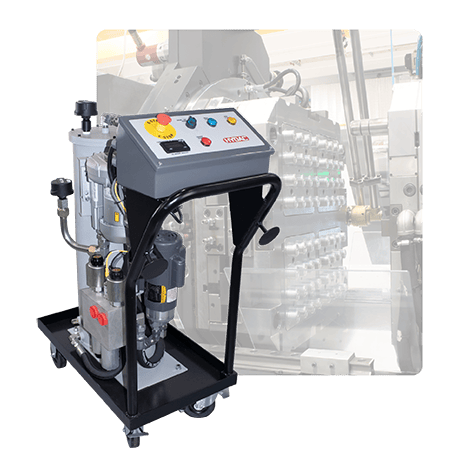
    Our Triton Dehydration Stations offer proven performance for oil reclamation in larger reservoirs and high contamination scenarios.


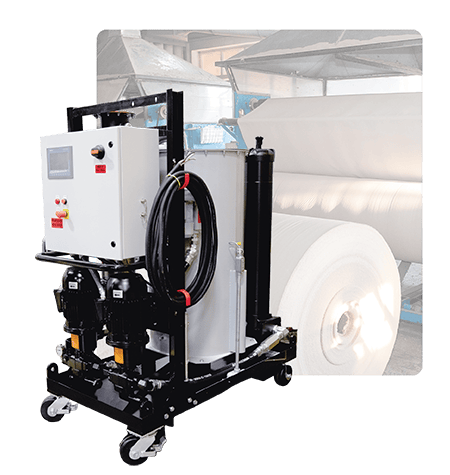
    These units are engineered to eliminate 100% of free water and up to 90% of dissolved water by leveraging a patented mass-transfer dehydration technology.
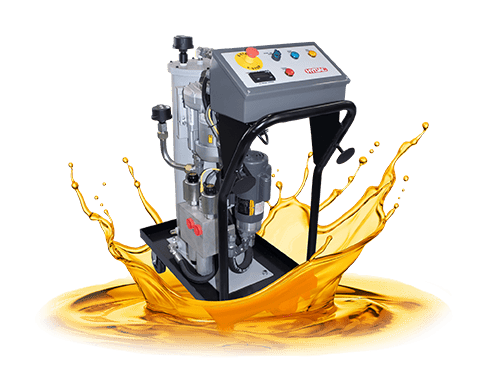

    TDS-A


    TDS-E


    Need dehydrating filtration fast? Check out our Rental Program!


    Here’s how Triton Dehydration Stations helped these customers save substantial quantities of oil:


    A plastic packaging operations was experiencing high levels of water contamination in their injection molding equipment’s hydraulic reservoir.

    The customer was spending tens of thousands of dollars per month on oil recycling costs and new oil purchases.

    Schroeder Industries deployed a TDS-A unit to dehydrate their oil, as well as extract any particulate contamination, to ensure operational reliability slash the customer’s oil-related expenses.
    16/14/12 ISO Code Reached; Cleaner Than Customer’s ‘New’ Oil

     

    $25-30k USD Saved Per Month on Oil-Related Expenses
    220gal of Hydraulic Oil Reclaimed in Just Two Days


    A manufacturer in the pulp & paper market required additional water removal capacity in their power generation turbine reservoir.

    While the operator tried to implement a non-Schroeder dehydration unit, it was unable to keep up with the high volume of water infiltrating the reservoir.

    To allow the customer to test the performance of the TDS-E, Schroeder Industries enrolled them in the rental equipment program to prove the unit’s effectiveness.
    Rental Program Provides Affordable Access

    TDS-E Provides Exceptional Oil Reclamation with Minimal Maintenance

    $10K USD Saved Per Month on Oil-Related Expenses


    Request a Quote


    Tell us about your application and goals, and our contamination control experts can help find a solution to conserve your fluid resources!


    Request for Quote

    • Which products are you interested in?
    • Max. file size: 256 MB.
  2. Roll-Off Cleanliness: The Proven Way to Prevent Equipment Failure

    Comments Off on Roll-Off Cleanliness: The Proven Way to Prevent Equipment Failure

    When equipment fails prematurely, contamination is often to blame.


    For OEMs, premature failures may mean paying out for a costly warranty claim—and, in some cases, exposure to legal liability. Not only do these failures cost the OEM, but they massively inconvenience the end user, and can undermine the manufacturer’s brand reputation.


    To reduce the chances of premature failures, every OEM should uphold a high standard of roll-off cleanliness. Fluid filtration is a key aspect of roll-off cleanliness.

    How Fluid Contamination Becomes Built-In Contamination


    ‘Built-in’ contamination refers to contamination that infiltrates a new machine during the assembly and testing process, prior to final delivery to the end user.

    Built-in contamination is commonly caused by contaminated components. Metallic fragments lingering after the machining process, or even ambient dust from poor storage and handling practices, can prematurely sideline a machine.


    Dirty hydraulic fluid and diesel fuel used to test and fill a new machine can also deliver damaging contamination into the system!


    Modern hydraulic and diesel fuel systems have increasingly stringent cleanliness requirements for fluid.

    For a modern hydraulic system, the typical standard of cleanliness is an ISO reading of 16/14/11.

    Modern Tier IV diesel systems experience higher pressure and contain components with greater sensitivity, so fuel entering the injectors should be less than ISO 12/9/6. That’s 16x more restrictive than the modern hydraulic standard!


    You should never assume that your stored fuel or hydraulic fluid is clean, even if it is ‘new!’


    ‘New’ hydraulic fluid has been found to contain contamination levels as high as 32 times the recommended ISO cleanliness levels for modern systems.

    Diesel fuel that has been ‘safely’ stored could be accumulating high levels of water contamination in the background, triggering microbial growth and generating solid contamination within the tank.


    If a manufacturer fills the hydraulic and fuel tanks of a machine with contaminated fluid, they are setting the equipment, the end user, and themselves up for failure.


    The moment the machine leaves the assembly line with dirty fluid, contaminants begin dealing damage throughout the system.


    End users may experience:

    • Premature Equipment Failure
    • Impacts to Productivity
    • Worker Safety Hazards
    OEM consequences may include:

    • Costly Warranty Claims
    • Legal Liability
    • Damaged Brand Reputation

    To prevent this fluid-borne contamination, any and all operating fluids should be examined and filtered prior to ever touching a machine. As an extra precaution, the equipment’s systems should be flushed and filtered before final delivery as well.


    Filtration Solutions for Roll-Off Cleanliness

    Schroeder Industries understands the importance of setting end users up for success through roll-off cleanliness. We offer a variety of filtration solutions and diagnostic tools that ensure your equipment is putting its best foot forward from a cleanliness standpoint when it leaves the assembly line.


    Ask the Experts

    Portable Fluid Sampling Systems

    Diagnostic tools like the TFC are used for establishing ISO counts for fluids in real-time. With particulate shape and size recognition software, the TFC can even provide clues as to where contaminants may be originating from.

    Hand Held Hydraulic Filter Units

    Lightweight, hand-held units like the HFS-15 provide the same powerful filtration as a filter cart system with unprecedented mobility. Units with onboard particle counters are available.


    Filter Cart Systems

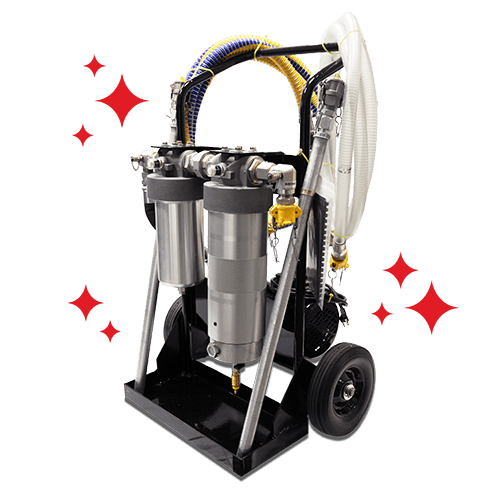
    Offline filtrations systems such as Schroeder’s array of filter carts (including the MFS, FS, and AMFS) allow for flexibility and mobility. They can act as kidney loop systems for flushing systems, or provide filtration as fluid is transfered into the system.

    Ranging from streamlined-but-reliable basic cart systems to advanced systems with onboard particle counting and recording capabilities, these filter carts ensure the cleanliness of fluid within the equipment and can be customized for your specific needs.


    Bulk Diesel Filters

    Schroeder’s Fuel Filtration division specializes in coalescing and particulate filtration for diesel fuel.

    Products like the BDF, GHCF, and more provide superior filtration at every stage of the fuel supply chain, including during transfer, point of fueling, and kidney loop circulating filtration for bulk storage tanks.

    Mobile Diesel Filtration Units

    Fuel filtration carts like the BDFC combine our world-class fuel filters with integrated pumps, hoses, and a mobile cart chassis.

    These turn-key, complete systems offer increased flexibility and enable easy transitions from application to application around a manufacturing plant or storage facility.

    Talk to the Contamination Control Experts


    If you want to reinforce your roll-off cleanliness standards, our fluid care experts are ready to help!


    Tell us about your operational needs, and we can help find the right solutions for you:


    Request for Quote

    • Which products are you interested in?
    • Max. file size: 256 MB.