



Onboard Diesel Filtration Solutions
Modern diesel engines require cutting-edge filtration solutions.
When contamination attacks sensitive engine components, expensive repairs, extensive downtime, and even complete engine failures are likely. To maintain the stringent cleanliness standards of modern diesel engines, the right onboard diesel filtration is critical.
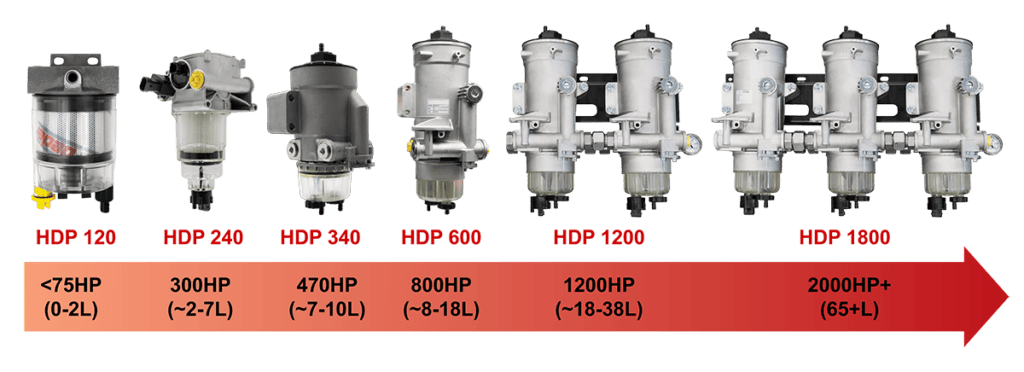
Schroeder Industries offers a comprehensive arsenal of onboard filtration solutions to maintain fuel quality and protect engines large and small:
HDP120
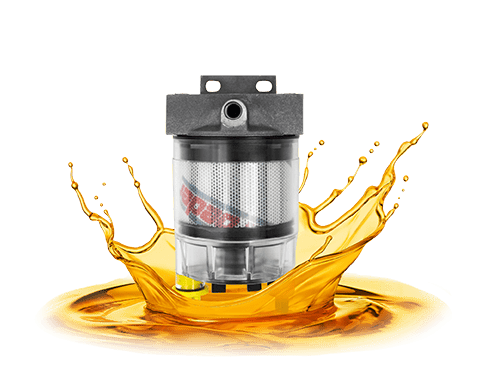
Engineered for compact, off-highway systems with flow rates up to to 31 gph (120 lph) and <75 HP.
HDP240
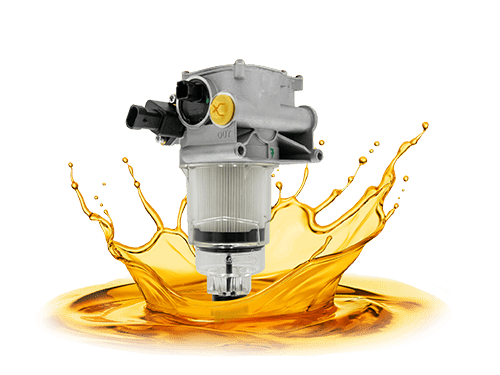
Designed for flow rates up to 63 gph (240 lph), with fuel preheater and boost pump options.
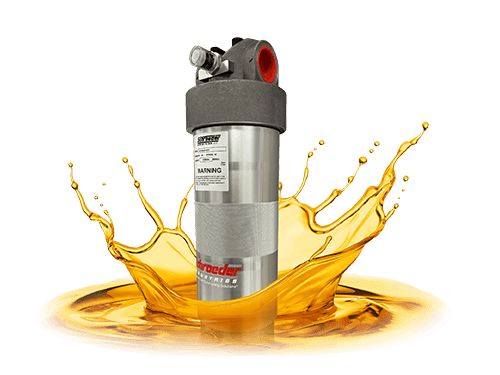
GHCF
Not just for bulk fuel applications! GeoSeal® High-Flow Coalescing Filtration is a compact, powerful water-eliminating solution for high horsepower engines.

HDP600
Tackling flow rates up to 476 gph (1800 lph), the HDP600 is available with manual or fully automatic water drains, plus optional fuel pre-heater and Water In Fuel (WIF) sensor.
Can poor quality diesel fuel damage injectors or fuel pumps?
Yes, contaminated diesel fuel is a leading cause of component damage and engine failures.
Modern Tier IV diesel engines are extremely powerful, but also more sensitive to contamination than more primitive engine designs. As a result, the cleanliness standards for injected fuel are extremely high.
By the time diesel fuel reaches the injectors, it should meet an ISO Target of less than 12/9/6.
This target is 16x cleaner than the standard for modern hydraulic systems!
If diesel fuel does not meet the recommended ISO Target, engine components will not meet their normal operating lifespan, and complete engine failures can occur.
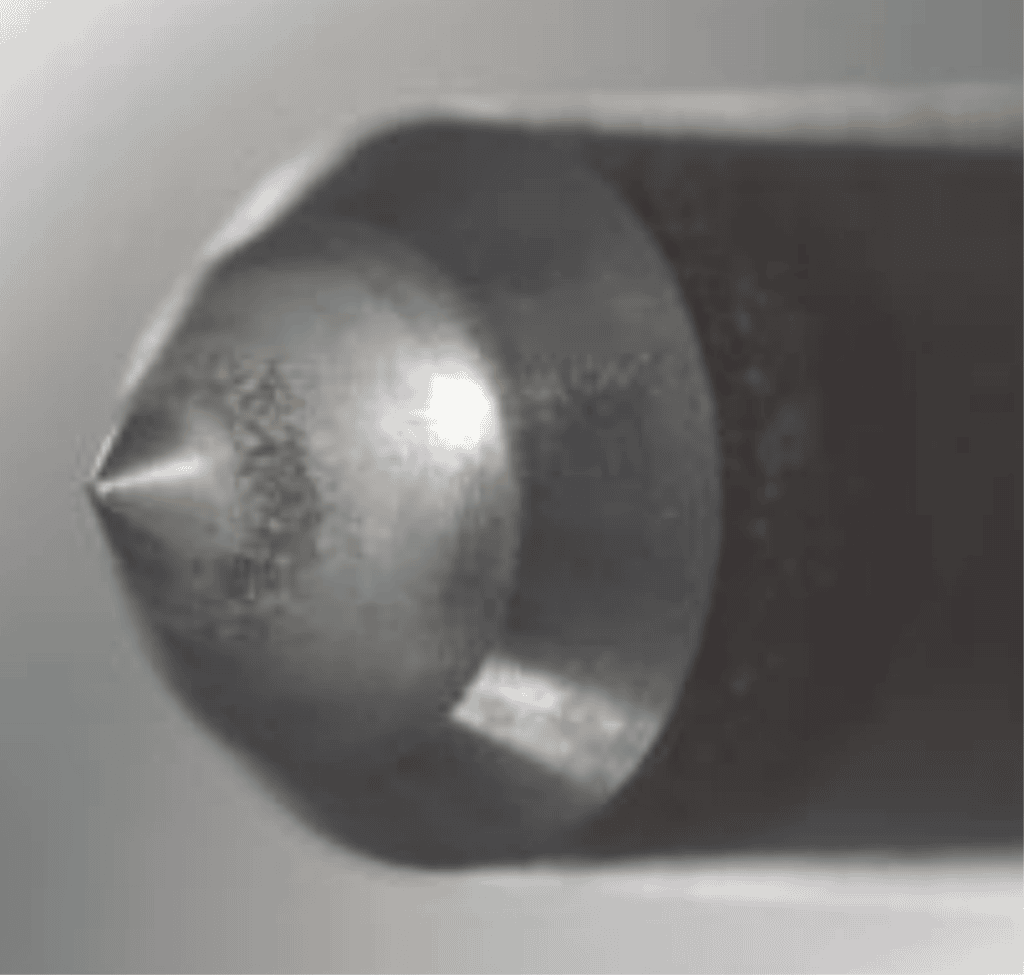
Some common damage seen in contaminated fuel systems poppet erosion, injector seat scoring, pump damage, and injector tip fractures. Replacing just one high-end fuel injector can cost thousands of dollars, so investing in effective filtration pays off!

How clean should my diesel fuel be?
To satisfy the cleanliness requirements for a modern Tier IV diesel engine, fuel should meet an ISO Target below 12/9/6 at the point of injection.
However, maintaining fuel quality requires filtration and monitoring at all stages, from storage to final consumption.
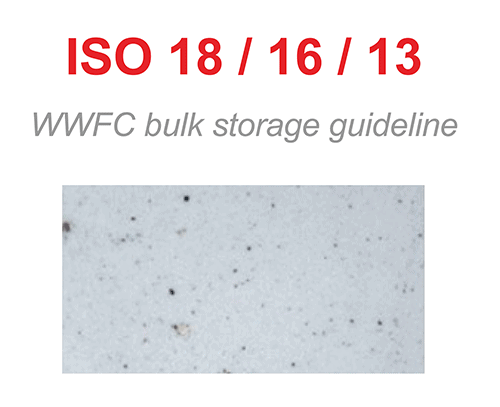
One of the most important steps towards ensuring clean fuel at the point of injection is maintaining bulk fuel quality. The Worldwide Fuel Charter (WWFC) recommends a starting ISO Code of 18/16/13 for stored fuel. This ensures that downstream filtration, including onboard filters, do not become overwhelmed by excessive contamination.
Effective onboard filtration alone is not enough!
Maintaining fuel quality in bulk storage is the key to ensuring that your onboard filters perform at their best and deliver the stringent cleanliness required.
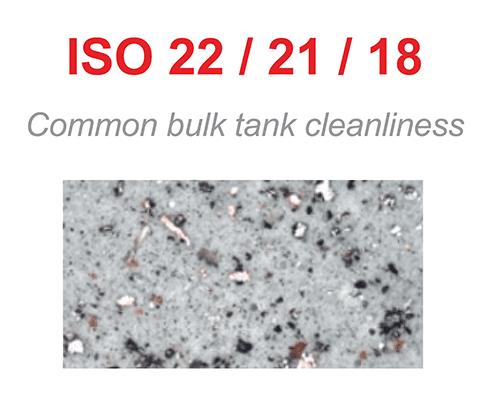
Here is what fuel often looks like under a microscope, compared to the WWFC recommendation. If you need to reach <12/9/6 to protect your injectors, which bulk fuel condition would you rather start with?
Talk to the Diesel Filtration Experts!
Tell us about your fuel cleanliness goals, and our experienced product developers will help you find the right solution for your application: